




As March Madness arrives, so does a critical evaluation window for fringe first‑round prospects hoping to elevate their draft stock on the sport's biggest stage. The Sixers, who hold a projected late first‑round pick acquired in the Jared McCain deal, will be looking to add another young contributor to the roster. This year's tournament presents an opportunity to target a wing or forward who can complement their franchise pillars, and what is projected as one of the deepest drafts in the last decade.
Five players stand out, each bringing a distinctive skill set and developmental trajectory that could align with the Sixers' long‑term team‑building plans.
Alabama's Amari Allen is a versatile, high-IQ swingman with a solid jumper and legitimate spacing potential. He normally plays within the flow of the offense, keeps the ball moving, rebounds well, and makes smart decisions with the ball in his hand. The Alabama forward doesn't possess elite athleticism, and his on-ball creation leaves some to be desired, but he could still be useful for the Sixers.
Philly needs wings who can shoot, execute within structure, and play off of its stars. Allen's unselfishness and floor‑spacing upside could make him an immediate rotational candidate. His tendency to defer fits a low‑usage role, while his IQ aligns perfectly with a team that needs players who aren't one-dimensional.
Iowa State's Joshua Jefferson is a strong, physical playmaking forward who rebounds, finishes inside, and can act as a high‑post facilitator. The senior has shown excellent vision for his size and thrives as a complementary connector, often enhancing ball movement. He brings both IQ and toughness.
There are some deficiencies in his perimeter shooting and lack of elite explosiveness, but he could thrive in the Sixers' system, similar to how Dominick Barlow fits today. His ability to play with pace could give the Sixers another option in an already-thin area of the roster.
Duke's Isaiah Evans is an explosive, confident three‑level scorer with deep shooting range and a quick release. His active defensive hands generate turnovers, and his movement shooting easily translates to NBA offenses. He can attack closeouts and has taken full advantage of more opportunities this season.
Evans needs to add more strength to help him on both sides of the ball, as he will likely be guarding bigger players in the NBA. He could also use extra strength to finish through contact, but that could come in time.
His shooting alone makes him a strong fit next to Maxey and Embiid. Philadelphia desperately needs reliable perimeter spacing, and Evans provides that with high volume and fearless confidence. His wiry frame requires development, but his archetype as a movement shooter with secondary scoring upside makes him a seamless fit.
Texas' Dailyn Swain is a dynamic slashing wing with a strong handle, defensive disruption, and positional size. Swain is a gifted on‑ball advantage creator who gleans driving lanes with craft and quickness. He uses his offensive ability to his advantage in transition. His defensive tools suggest he has two‑way potential.
Although he has improved his shooting every year thus far, outside shooting is extremely inconsistent. He has playmaking chops but sometimes struggles to make passing reads. His jumper will end up being his swing skill.
The Sixers have lacked big wings who can create advantages off the dribble and Swain provides that dimension. His athleticism and defensive versatility align with Nurse's switch‑heavy schemes. However, his shooting limitations may overlap with existing spacing issues. If Philly believes in its shooting development program, Swain could become a high‑upside steal, think Scottie Barnes.
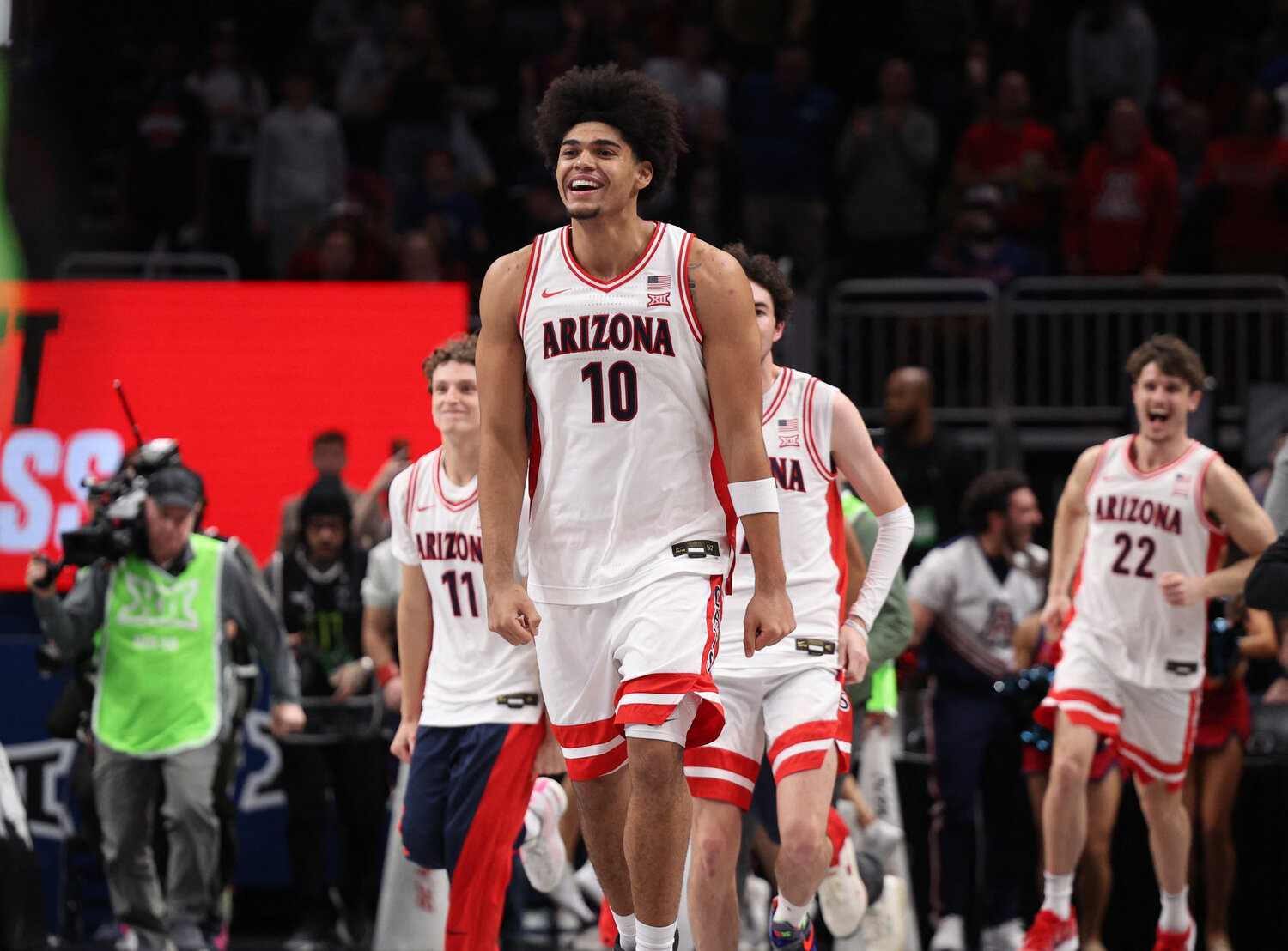
Arizona's Koa Peat is a physically dominant, high‑motor forward with power, explosiveness, and mismatch creation. He excels as an interior scorer, midrange creator, rebounder, and versatile defender. His ability to push the ball, make quick reads, and guard multiple positions highlights his all‑around value.
At this point in his career, he doesn't space the floor with limited three‑point shooting, on low volume. He has some issues with his handle and passing under pressure and double teams.
His physicality and defensive versatility match the Sixers' desire for rugged, switchable forwards. He would give Nurse a multi‑positional defender and an interior scoring complement that doesn't need offensive touches to be effective. His inconsistent three‑point shooting is a concern, but his midrange creation and matchup‑exploitation skills would diversify Philly's frontcourt. He brings something a little different than Dominick Barlow or Jabari Walker.


