If your parent or loved one lives alone, you may often wonder what would happen if they fell, experienced a sudden health concern, or needed help when nobody was nearby. Many seniors want to continue living independently, but families also want reassurance that support is available during unexpected situations.
A medical alert system helps address this concern by creating a direct connection between seniors, trained monitoring specialists, caregivers, and local emergency responders. Instead of waiting for someone to notice a problem, seniors can use a simple device to start the process of getting help.
Life Assure Medical Alert Canada helps make this connection possible through 24/7 monitoring services, home and mobile alert solutions, and safety features designed to support independent living.
But how does this process work when an emergency happens?
Understanding how Life Assure connects seniors with local emergency responders can help families see how this support system works when it matters most.
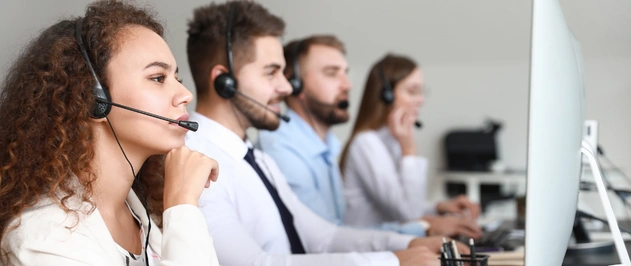
The first few moments after an emergency can be critical. Life Assure Medical Alert Canada bridges the gap between the seniors and the local emergency services by connecting the users with trained monitoring specialists immediately after the alert is activated.
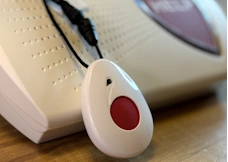
It starts when the elderly person triggers their Life Assure medical alarm. An immediate response is provided by a monitoring specialist who talks with the user where possible and gathers facts about the incident to identify the kind of help that would be required.
As an example, when a senior falls at home and cannot reach a phone, the medical alert device is a convenient solution to call for help. Rather than coping with a situation on their own, they have an opportunity to talk to a trained specialist who directs the next steps and prepares the necessary assistance.
This immediate connection serves to make sure that the emergency is evaluated as fast as possible and that the help can be organized without any pointless delays.
Responders need clear information to prepare for an emergency before they arrive. Once the situation has been assessed, the monitoring specialist relays available details that may help local emergency responders understand what has happened.
Depending on the circumstances, this may include the user’s location, the nature of the emergency, and information shared during the conversation. Having these details beforehand allows responders to arrive with a better understanding of the situation.
Clear communication also helps eliminate confusion during stressful situations. Instead of responding with limited information, the emergency personnel have a broader context that helps to make a more informed reaction.
A medical alert system does more than send an emergency signal. After understanding the situation, the monitoring team determines the most appropriate response based on the user’s immediate needs. Their role is to evaluate the information available and take the next steps according to the nature of the emergency, ensuring the response is both timely and appropriate.
Every emergency is different. While some situations require local emergency responders, others may only involve notifying a caregiver or emergency contact. Assessing each alert individually allows the response to match the circumstances rather than following the same process every time. This approach helps avoid unnecessary delays and ensures the right people are informed as quickly as possible.
By coordinating support based on each situation, the system provides seniors with access to assistance that reflects their specific needs while reducing uncertainty during stressful moments.
Emergencies do not always happen inside the home. Many seniors enjoy staying active by walking, shopping, visiting friends, or spending time outdoors. For this reason, having safety support beyond the home can be important.
Life Assure mobile alert solutions use GPS technology to provide added protection when seniors are away from home. If an emergency happens and a person cannot clearly explain where they are, location information can help monitoring specialists and responders understand where assistance is needed.
This feature is particularly useful if a senior experiences a fall, becomes unwell, or cannot clearly describe their location while away from home. By providing location information, monitoring specialists can direct responders to where assistance is needed more quickly.
For families, mobile protection offers additional reassurance. They can feel more comfortable knowing their loved one has a safety option available while continuing everyday activities and maintaining an active lifestyle.
Effective emergency response often depends on everyone involved staying informed. Life Assure supports communication between seniors, caregivers, monitoring specialists, and local responders throughout the emergency process.
For family members, this means they can remain involved even when they are unable to reach their loved one immediately. Depending on the situation, caregivers may be notified while responders are being coordinated, allowing everyone to stay informed as events unfold.
By keeping communication organized, each person involved can better understand their role during the emergency and provide support when it is needed.
A medical alert system is more than a device used during an emergency. It creates a connection between seniors, monitoring specialists, caregivers, and local responders to make sure help is easier to reach when it is needed most.
Through professional monitoring, emergency response coordination, and home and mobile alert solutions, Life Assure medical alert in Canada supports a structured response process when unexpected situations arise. By connecting seniors with caregivers and local emergency responders, the system helps make assistance easier to access when every moment matters.